A real operating role
The agent receives a bounded task, approved sources and explicit tools instead of an open-ended instruction to 'do AI'.
An AI agent combines a model with instructions, context, tools and control logic to complete a bounded task. Useful automation starts with a repeatable workflow, defined permissions, review points, failure handling and a measurable reason to automate it.
We find useful automation opportunities, design human safe workflows and connect the right models and tools. The goal is reliable time savings and fewer avoidable handoffs, not AI theatre.
Good automation has boundaries. We set permissions, review steps and fallbacks first, then use AI for repetitive work while people keep final judgment.
TYPICAL DELIVERABLESThe agent receives a bounded task, approved sources and explicit tools instead of an open-ended instruction to 'do AI'.
High-impact actions require approval, while low-risk preparation can move automatically.
Logs, fallbacks, retries and escalation paths are designed before the workflow is trusted with live work.
We score repetition, rules, data access, error cost and expected value to decide whether automation is sensible.
Inputs, permissions, tools, prompts, structured outputs, review gates and fallback behavior are specified.
The workflow runs on representative cases, exceptions are logged and autonomy expands only when evidence supports it.
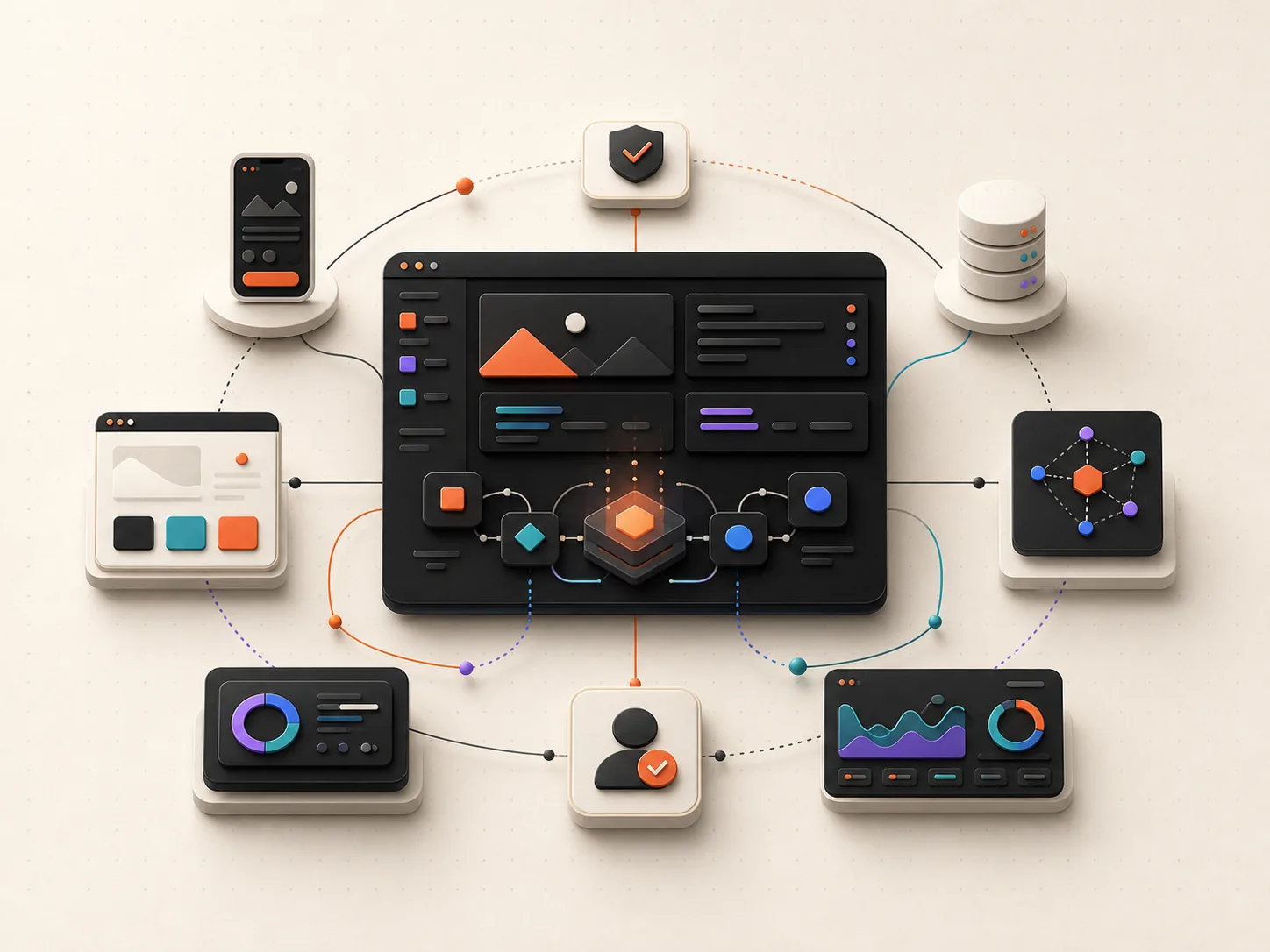
Campaign research and first-draft preparation consumed hours before strategic work could begin.
A guarded assistant gathered approved inputs, structured briefs, drafted variations and routed output for human review.
A repeatable preparation workflow that preserved judgment while reducing avoidable manual work.
Planning example only. This is not client work and does not contain claimed results. Verified client cases appear above where relevant.
A successful engagement should make this statement true: “The automation helps the team start from a stronger first draft without removing human judgment.”
Good candidates are repeatable tasks with clear inputs, rules, tool access and review points, such as research preparation, triage, drafting, routing and structured updates.
Our approach is to remove repetitive friction and augment expert work. We design explicit human ownership and escalation into the workflow.
Data access, retention, permissions and provider settings are reviewed during solution design. Sensitive workflows require appropriate controls and approval.
Avoid unsupervised decisions where errors create legal, financial, safety, privacy or reputation harm. Sensitive actions need clear human authority and appropriate controls.
We compare implementation and operating cost with time saved, quality, throughput, error handling and the value of faster work. A demo is not counted as a successful deployment.
These first-party and standards-body references support the measurable, technical or compliance-sensitive guidance on this page. They do not imply certification or a platform partnership.