Scope tied to risk
The first release tests the assumptions most likely to invalidate the product, not the longest feature list.
Custom software is justified when existing tools cannot support a valuable workflow without costly workarounds. We define the user problem, reduce the first release to its riskiest assumptions and build a maintainable product with explicit ownership and integration boundaries.
We translate real operational needs into focused digital products. Product thinking, UX and engineering move together from prototype to reliable release.
We study the workflow your team uses today, keep what works and build a focused product around the steps that waste time or create errors.
TYPICAL DELIVERABLESThe first release tests the assumptions most likely to invalidate the product, not the longest feature list.
UX follows the real workflow, permissions and exception cases instead of forcing users around the database model.
Architecture, environments, repositories, documentation and ownership are agreed before launch.
Users, tasks, business rules, data, integrations, risks and failure states are made explicit.
Critical journeys and technical unknowns are tested early before the full delivery plan is committed.
Small releases receive functional, security and usability checks, with observability and rollback considered before production.
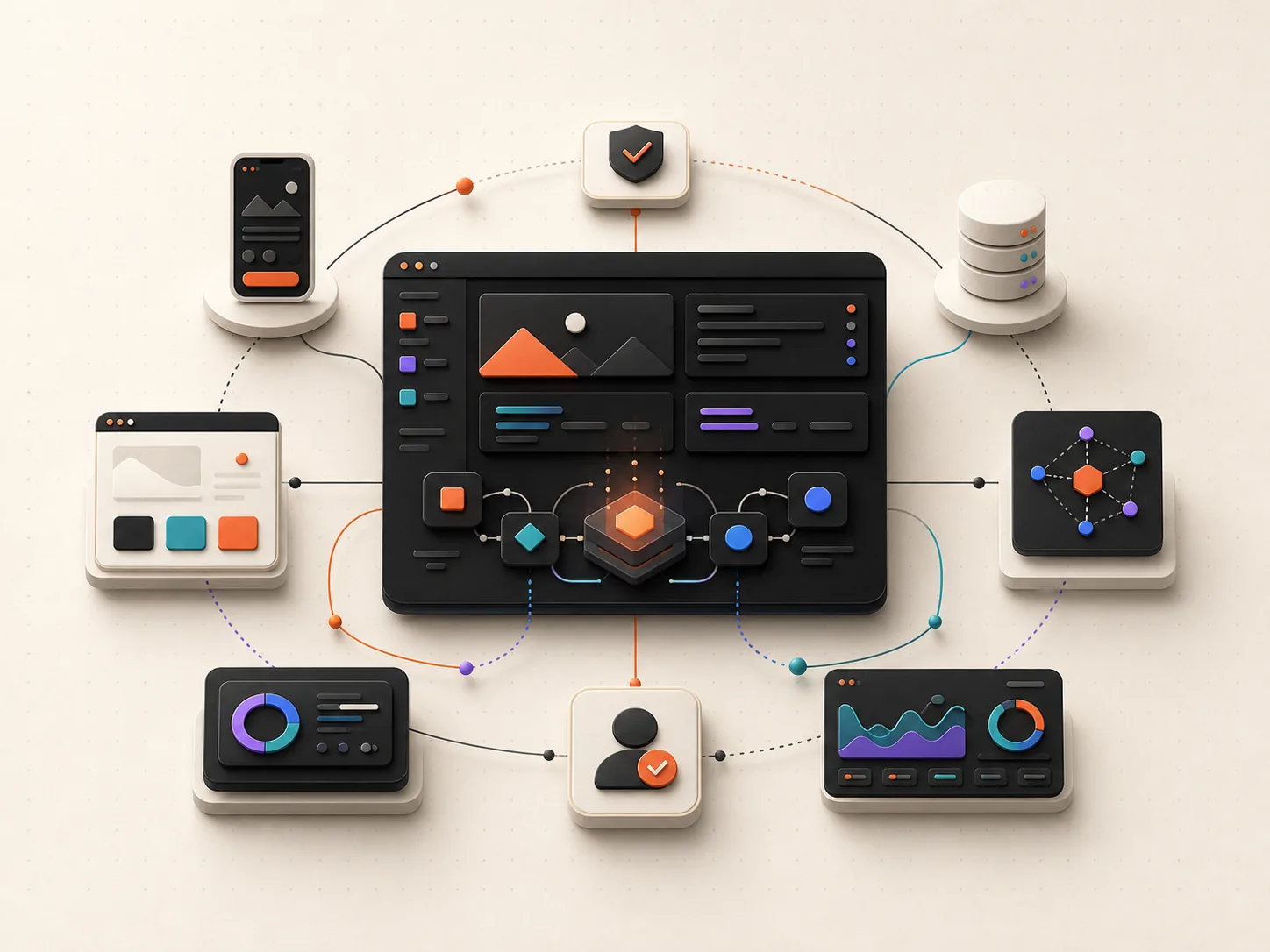
Requests, approvals and updates were spread across spreadsheets, messages and individual memory.
A role-based web application centralized intake, status, approvals and reporting around the actual team workflow.
A simpler operating rhythm with clearer ownership, searchable history and fewer repetitive updates.
Planning example only. This is not client work and does not contain claimed results. Verified client cases appear above where relevant.
A successful engagement should make this statement true: “The product removed daily friction because it was designed around how our team really works.”
When appropriate, yes. We define the smallest product that can test the highest-risk assumptions and create useful learning.
Ownership, licensing, repositories and handover are agreed clearly in the project scope before development begins.
Yes. We assess available APIs, authentication, data flow, reliability and maintenance before recommending an integration approach.
Buy when a mature product handles the workflow at an acceptable total cost and risk. Build when the process creates strategic value, needs unusual integration or cannot be supported responsibly by available tools.
We estimate after discovery separates known scope from technical and product uncertainty. High-risk assumptions may need a paid prototype before a reliable delivery range is possible.