A sharper position
The brand is anchored to a meaningful customer choice, not a list of generic values.
Branding defines why a business should matter, what it should be known for and how that idea appears in words and design. A useful brand system helps marketing, sales and product teams make consistent choices without making everything look identical.
We clarify what your brand should stand for, how it should sound and how it should show up. The result is a practical system that makes every future decision more coherent.
Clarify what the business stands for, how it speaks and the visual cues people should remember.
TYPICAL DELIVERABLESThe brand is anchored to a meaningful customer choice, not a list of generic values.
A message hierarchy gives founders, sales teams and marketers the same clear story.
The identity stays recognizable while adapting to campaigns, products and new channels.
Research and stakeholder input uncover the audience tension, competitive frame and credible advantage.
Positioning, promise, personality and message architecture are developed and pressure-tested together.
Visual and verbal rules are applied to real touchpoints, documented and handed over in formats the team can use.
Performance figures appear only where supplied; delivery cases show confirmed scope and visible work.
These branding related posts were reviewed on the brands' official LinkedIn pages in August 2026. Each static example shows a distinct editorial and design decision without attaching unverified performance numbers.
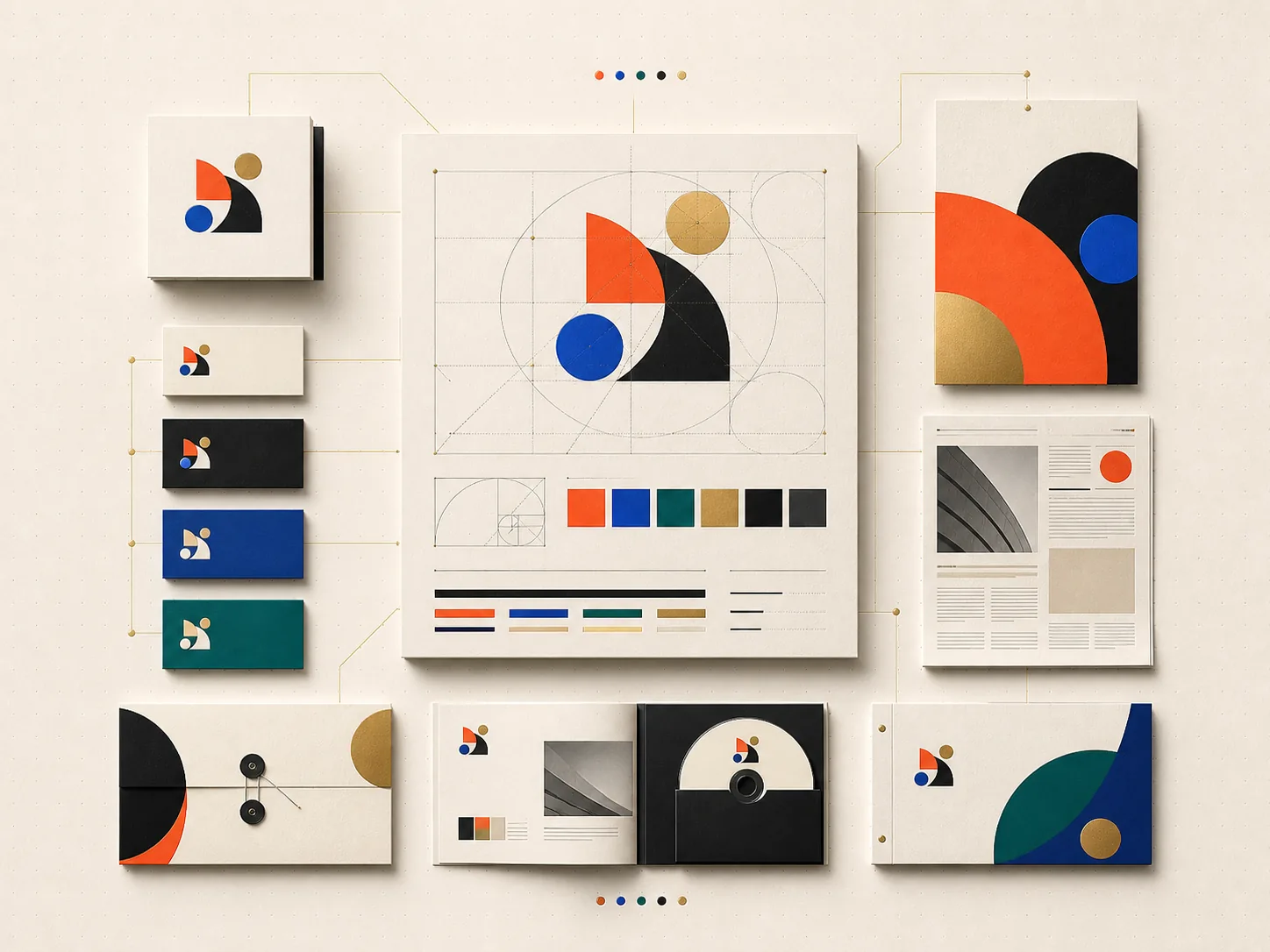
A strong product was hidden behind technical language and an inconsistent visual identity.
Positioning, message architecture and a modular design system translated the product into one memorable brand idea.
A confident story and usable identity system for sales, product and marketing teams.
Planning example only. This is not client work and does not contain claimed results. Verified client cases appear above where relevant.
A successful engagement should make this statement true: “The brand now feels like the company we are becoming, not the company we started as.”
Depending on scope: research, positioning, audience, proposition, messaging, naming support, tone of voice, visual identity and usage guidelines.
Yes. We can evolve recognizable equity while fixing inconsistency, outdated expression or a story that no longer matches the business.
Yes. Final scope includes organized production files, practical guidelines and agreed export formats.
Timing depends on research depth, stakeholder availability and scope. A focused identity project can take weeks; a complex repositioning with multiple decision-makers takes longer.
Useful inputs include business goals, customer evidence, competitor context, existing research, brand assets and access to the people who make final decisions.


 Amoha RCM
 Bridgepoint Careers
 Silverspace Inc